

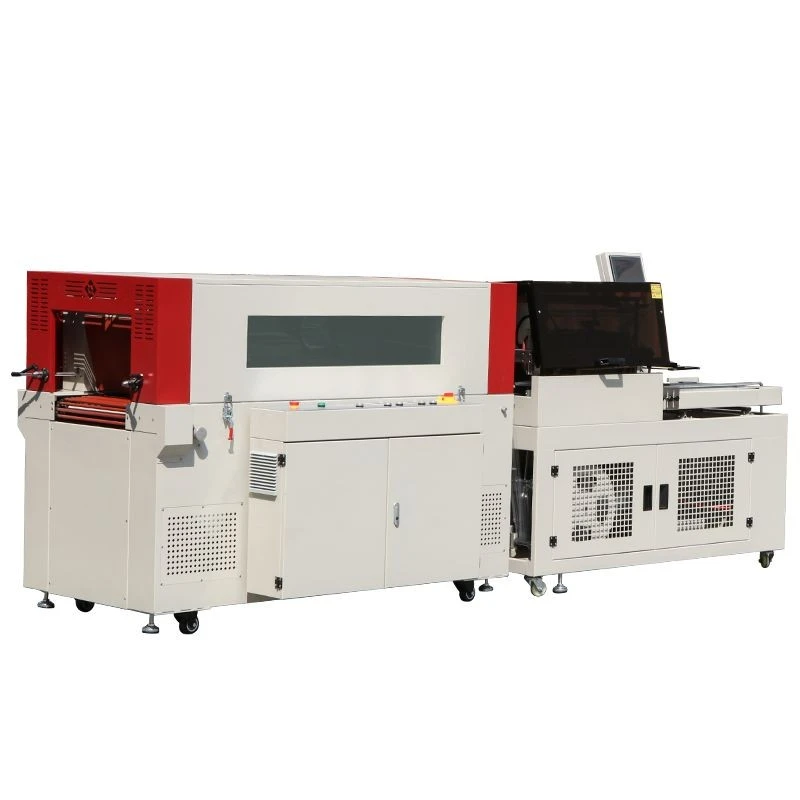
As a trusted supplier of Compact Heat Shrink Tunnels, I understand the significance of keeping these machines in top - notch condition. Dust and debris can significantly impact the performance and longevity of a Compact Heat Shrink Tunnel. In this blog post, I'll share some effective strategies to protect your equipment from these contaminants.
Understanding the Impact of Dust and Debris
Dust and debris can cause a multitude of problems for a Compact Heat Shrink Tunnel. Firstly, they can clog the ventilation systems. These tunnels rely on proper air circulation to maintain the right temperature and ensure uniform heat distribution. When dust accumulates in the vents, it restricts the airflow, leading to overheating. Overheating not only affects the quality of the shrink - wrapping process but can also cause damage to the internal components of the machine, such as the heating elements and control panels.
Secondly, dust and debris can build up on the conveyor belts. The conveyor belt is a crucial part of the shrink - tunnel, responsible for moving products through the heating chamber. A dirty conveyor belt can cause products to stick or move unevenly, resulting in inconsistent shrink - wrapping and potential product damage.
Finally, if dust and debris enter the electrical components of the tunnel, it can lead to short - circuits and electrical failures. This not only poses a safety risk but also results in costly repairs and downtime.
Preventative Measures
1. Location and Installation
The first step in protecting your Compact Heat Shrink Tunnel is to choose the right location for installation. Select an area that is relatively clean and free from excessive dust and debris. Avoid placing the tunnel near areas where there is a lot of foot traffic, such as entrances or hallways, or near manufacturing processes that generate a large amount of dust, like sanding or grinding operations.
Ensure that the installation area is well - ventilated. Good ventilation helps to reduce the concentration of dust in the air around the tunnel. You can also consider installing air filters in the ventilation system of the room to further reduce the amount of dust entering the area.
2. Use of Protective Covers
Invest in high - quality protective covers for your Compact Heat Shrink Tunnel. These covers can be made of materials such as vinyl or polyester and are designed to fit snugly over the tunnel when it is not in use. Protective covers prevent dust and debris from settling on the surface of the tunnel and entering its internal components.
Make it a regular practice to cover the tunnel at the end of each workday or during extended periods of non - use. This simple step can significantly reduce the amount of dust that accumulates on the machine.
3. Regular Cleaning
Regular cleaning is essential for keeping your Compact Heat Shrink Tunnel free from dust and debris. Develop a cleaning schedule that includes daily, weekly, and monthly tasks.
- Daily Cleaning: At the end of each workday, use a soft brush or a compressed air gun to remove loose dust and debris from the exterior of the tunnel. Pay special attention to the conveyor belt, vents, and control panels. Wipe down the surfaces with a clean, dry cloth to remove any remaining dust.
- Weekly Cleaning: Once a week, perform a more thorough cleaning. This includes removing the conveyor belt (if possible) and cleaning it separately. Use a mild detergent and warm water to clean the belt, then rinse and dry it thoroughly before reinstalling. Also, clean the interior of the heating chamber using a vacuum cleaner with a soft brush attachment to remove dust and debris.
- Monthly Cleaning: On a monthly basis, conduct a comprehensive inspection and cleaning. Check the ventilation system for any blockages and clean the air filters. If the air filters are reusable, wash them according to the manufacturer's instructions. If they are disposable, replace them with new ones.
4. Maintenance of Surrounding Equipment
The equipment surrounding the Compact Heat Shrink Tunnel can also contribute to the accumulation of dust and debris. For example, if you have an Automatic Infeed Turntable or a Stainless Steel Packaging Conveyor near the tunnel, make sure to keep them clean as well.
Regularly clean the turntable and the conveyor to prevent dust from being transferred to the shrink tunnel. This will help maintain a clean environment around the tunnel and reduce the risk of contamination.
5. Employee Training
Proper employee training is crucial for protecting the Compact Heat Shrink Tunnel from dust and debris. Train your employees on the importance of keeping the work area clean and the proper procedures for operating and maintaining the tunnel.
Teach them how to use the protective covers correctly, how to perform daily cleaning tasks, and how to identify signs of excessive dust or debris accumulation. Encourage employees to report any issues or concerns regarding the tunnel's performance or cleanliness immediately.
Additional Considerations
1. Upgrading to a Dust - Resistant Model
If dust and debris are a persistent problem in your work environment, you may want to consider upgrading to a dust - resistant model of the Compact Heat Shrink Tunnel. Some models are designed with features such as sealed enclosures, advanced air filtration systems, and dust - proof electrical components to provide better protection against contaminants.
2. Compatibility with Other Equipment
When choosing additional accessories or equipment to use with the Compact Heat Shrink Tunnel, ensure that they are compatible and do not generate excessive dust or debris. For example, if you are considering a Dual Chamber Shrink Tunnel or a PE Film Shrink Tunnel, make sure that they are designed to work well in your specific environment and do not contribute to the dust problem.
3. Integration into a Fully Enclosed System
For maximum protection against dust and debris, consider integrating the Compact Heat Shrink Tunnel into a Fully Enclosed Shrink Packaging Line. A fully enclosed system creates a controlled environment where the amount of dust and debris can be more easily managed.
Conclusion
Protecting your Compact Heat Shrink Tunnel from dust and debris is essential for ensuring its optimal performance and longevity. By following the strategies outlined in this blog post, including choosing the right location, using protective covers, performing regular cleaning, maintaining surrounding equipment, and providing employee training, you can significantly reduce the risk of damage caused by dust and debris.
If you are interested in learning more about our Compact Heat Shrink Tunnels or need advice on protecting your existing equipment, we are here to help. Our team of experts can provide you with detailed information and customized solutions to meet your specific needs. Contact us today to start a conversation about your shrink - wrapping requirements.
References
- Industry standards for heat shrink tunnel maintenance
- Manufacturer's guidelines for Compact Heat Shrink Tunnel operation and cleaning