

In the world of packaging automation, the Automatic Infeed Turntable stands as a pivotal component, streamlining the flow of products into various packaging processes. As a leading supplier of Automatic Infeed Turntables, I have witnessed firsthand the transformative impact it has on enhancing efficiency and productivity in packaging lines. In this blog, we will delve into the footprint of an Automatic Infeed Turntable, exploring its physical dimensions, operational space requirements, and the implications for facility layout and design.
Physical Dimensions of an Automatic Infeed Turntable
The footprint of an Automatic Infeed Turntable is primarily defined by its physical dimensions, which can vary depending on the specific model and configuration. Generally, the diameter of the turntable ranges from a few feet to over ten feet, with larger diameters accommodating larger products or higher throughput requirements. The height of the turntable is typically designed to be compatible with the height of the packaging equipment it interfaces with, ensuring a seamless flow of products.
In addition to the turntable itself, the Automatic Infeed Turntable also includes a base frame that provides stability and support. The base frame is usually made of heavy-duty steel or aluminum and is designed to withstand the weight and movement of the turntable and the products it carries. The dimensions of the base frame will depend on the size of the turntable and the specific requirements of the application.
Operational Space Requirements
In addition to the physical dimensions of the turntable and base frame, the footprint of an Automatic Infeed Turntable also includes the operational space required for its proper functioning. This includes the space needed for product loading and unloading, as well as the space required for maintenance and access to the turntable.
Product loading and unloading typically require a clear area in front of the turntable, where products can be placed onto or removed from the turntable. The size of this area will depend on the size and shape of the products, as well as the method of loading and unloading. For example, if products are loaded manually, a larger area may be required to allow for easy access and maneuverability. If products are loaded automatically, the space requirements may be reduced, as the loading mechanism can be designed to operate in a more compact area.
Maintenance and access to the turntable also require a certain amount of space. This includes the space needed to open the access doors on the base frame, as well as the space required to perform routine maintenance tasks such as cleaning, lubrication, and inspection. The specific space requirements for maintenance will depend on the design of the turntable and the accessibility of its components.
Implications for Facility Layout and Design
The footprint of an Automatic Infeed Turntable has significant implications for facility layout and design. When planning a new packaging line or upgrading an existing one, it is important to consider the space requirements of the turntable and ensure that there is sufficient room for it to operate effectively. This may involve making adjustments to the layout of the facility, such as repositioning other equipment or creating additional space in the production area.
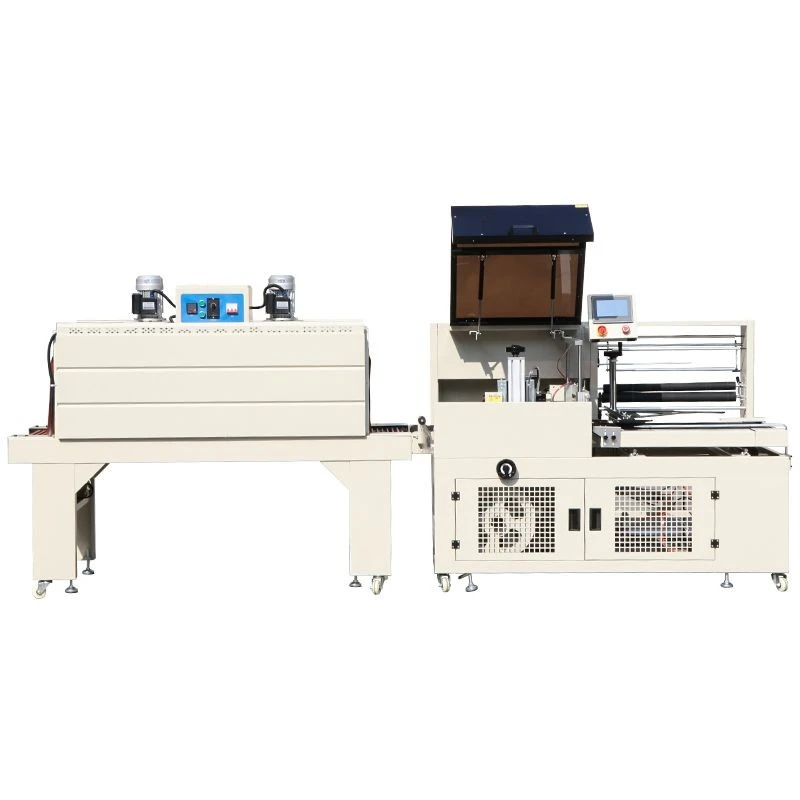
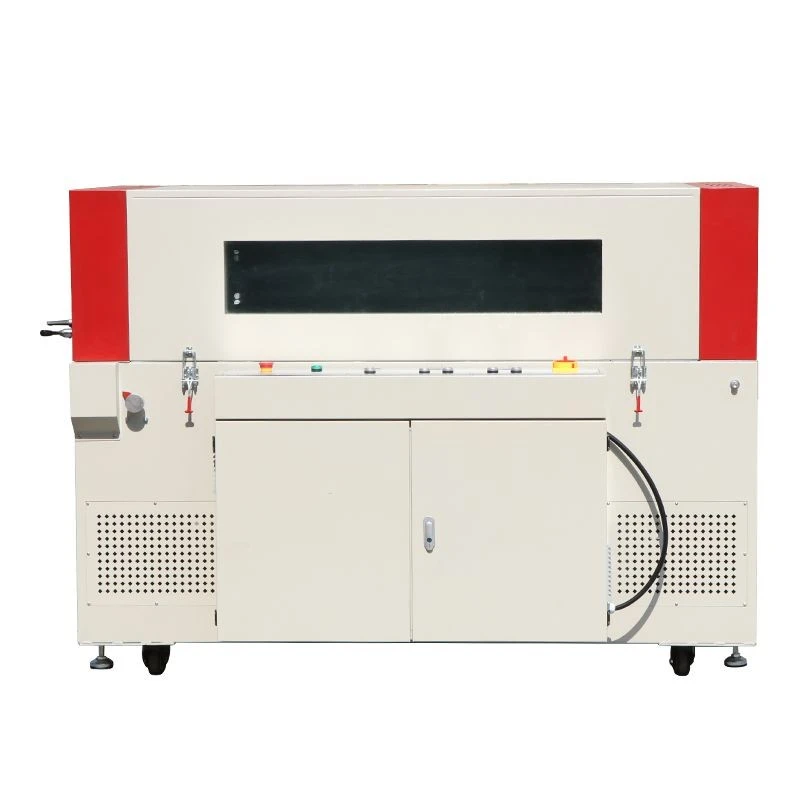
In addition to the physical space requirements, the footprint of the turntable also needs to be considered in relation to the flow of products through the packaging line. The turntable should be positioned in such a way that it can easily interface with the other equipment in the line, such as the Fully Enclosed Shrink Packaging Line, Compact Heat Shrink Tunnel, Stainless Steel Packaging Conveyor, and Dual Chamber Shrink Tunnel. This will ensure a smooth and efficient flow of products from one stage of the packaging process to the next.
Benefits of a Well-Designed Footprint
A well-designed footprint for an Automatic Infeed Turntable can provide several benefits for a packaging operation. Firstly, it can help to optimize the use of space in the facility, allowing for more efficient use of floor space and potentially reducing the need for additional storage or production areas. This can result in cost savings for the business, as well as improved productivity and throughput.
Secondly, a well-designed footprint can improve the safety and ergonomics of the packaging line. By ensuring that there is sufficient space for product loading and unloading, as well as for maintenance and access to the turntable, the risk of accidents and injuries can be reduced. This can lead to a safer working environment for employees and lower insurance costs for the business.
Finally, a well-designed footprint can enhance the overall efficiency and performance of the packaging line. By ensuring that the turntable can easily interface with the other equipment in the line, the flow of products can be optimized, reducing bottlenecks and improving throughput. This can result in faster production times, higher quality products, and increased customer satisfaction.
Conclusion
In conclusion, the footprint of an Automatic Infeed Turntable is an important consideration when planning a packaging line or upgrading an existing one. By understanding the physical dimensions and operational space requirements of the turntable, as well as the implications for facility layout and design, businesses can ensure that they are making the most of their available space and optimizing the performance of their packaging operations.
As a supplier of Automatic Infeed Turntables, we are committed to providing our customers with high-quality products that are designed to meet their specific needs and requirements. If you are interested in learning more about our products or discussing your packaging needs, please do not hesitate to contact us. We would be happy to assist you in finding the right solution for your business.
References
- Packaging Machinery Manufacturers Institute (PMMI). (2023). Packaging Machinery Best Practices.
- Society of Manufacturing Engineers (SME). (2023). Lean Manufacturing Principles.
- International Organization for Standardization (ISO). (2023). ISO 13485: Medical Devices - Quality Management Systems.