

Alright, folks! As a supplier of Compact Heat Shrink Tunnel, I've had my fair share of experiences dealing with these nifty machines. And let me tell you, optimizing the performance of a Compact Heat Shrink Tunnel is crucial for getting the best results in your packaging process. So, let's dive in and talk about how you can make your heat shrink tunnel work like a charm.
Understanding the Basics
Before we start with the optimizations, it's important to have a solid understanding of how a Compact Heat Shrink Tunnel works. In simple terms, it uses heat to shrink a plastic film around a product. The film, usually made of materials like PVC, PE, or OPS, tightens around the product when heated, creating a secure and professional-looking package.
The key components of a heat shrink tunnel are the heating elements, the conveyor system, and the temperature control mechanism. The heating elements generate the heat needed to shrink the film, the conveyor system moves the products through the tunnel at a consistent speed, and the temperature control mechanism ensures that the heat is set at the right level for the specific film and product.
Temperature Optimization
One of the most important factors in optimizing the performance of a Compact Heat Shrink Tunnel is getting the temperature right. If the temperature is too low, the film won't shrink properly, leaving loose and wrinkled packaging. On the other hand, if the temperature is too high, the film can melt or burn, ruining the product and the packaging.
To find the optimal temperature for your specific film and product, it's a good idea to start with the manufacturer's recommendations. Most film manufacturers provide a temperature range that works best for their products. However, these are just guidelines, and you may need to do some testing to find the exact temperature that gives you the best results.
Start by setting the temperature at the lower end of the recommended range and running a few test packages through the tunnel. Check the results and adjust the temperature up or down as needed. Keep in mind that different products may require different temperatures, especially if they have different shapes or sizes.
Conveyor Speed Adjustment
Another crucial factor in the performance of a heat shrink tunnel is the conveyor speed. The speed at which the products move through the tunnel determines how long they are exposed to the heat. If the conveyor speed is too fast, the products won't have enough time to shrink properly. If the speed is too slow, the products may be overexposed to the heat, leading to damage.
To optimize the conveyor speed, start by running a few test packages at a moderate speed. Observe the shrinkage results and make adjustments as needed. If the shrinkage is incomplete, slow down the conveyor speed. If the products are over-shrunk or damaged, increase the speed. It may take a few tries to find the perfect speed, but once you do, you'll notice a significant improvement in the quality of your packaging.
Airflow Management
Proper airflow is essential for ensuring even heat distribution in a Compact Heat Shrink Tunnel. Without adequate airflow, some parts of the product may receive more heat than others, resulting in uneven shrinkage.
Most heat shrink tunnels come with built-in fans or blowers that help with airflow. Make sure these fans are clean and functioning properly. You can also adjust the airflow direction and intensity to optimize the heat distribution. Experiment with different settings to see what works best for your products.
In addition to the built-in fans, you can also use external fans or blowers to enhance the airflow. For example, you can place fans at the entrance and exit of the tunnel to help equalize the temperature and improve the overall shrinkage quality.
Maintenance and Cleaning
Regular maintenance and cleaning are vital for keeping your Compact Heat Shrink Tunnel in top condition. Over time, dust, debris, and film residue can accumulate on the heating elements, conveyor belts, and other components, which can affect the performance of the tunnel.
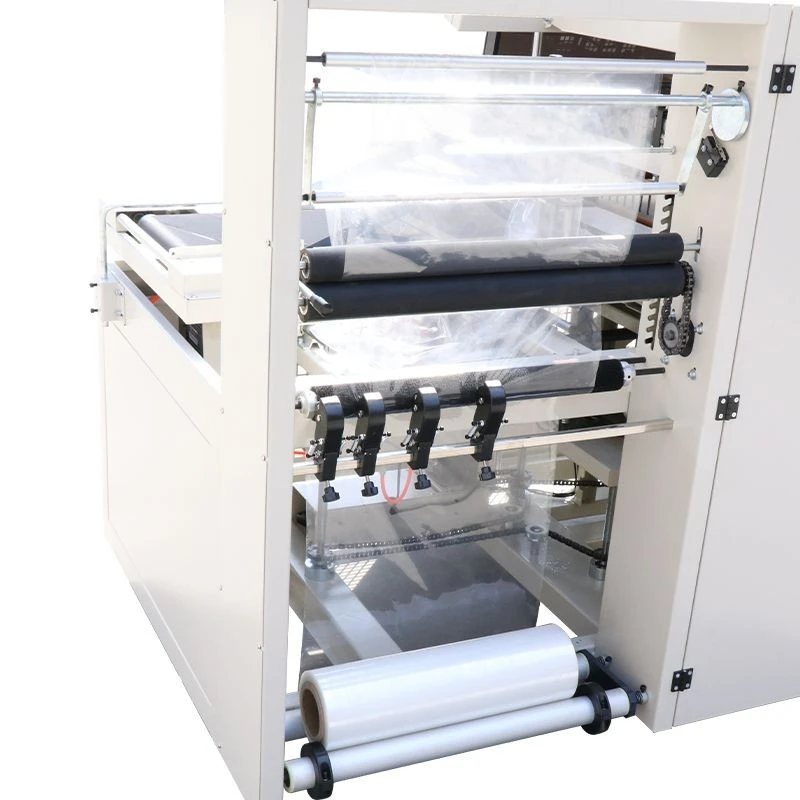
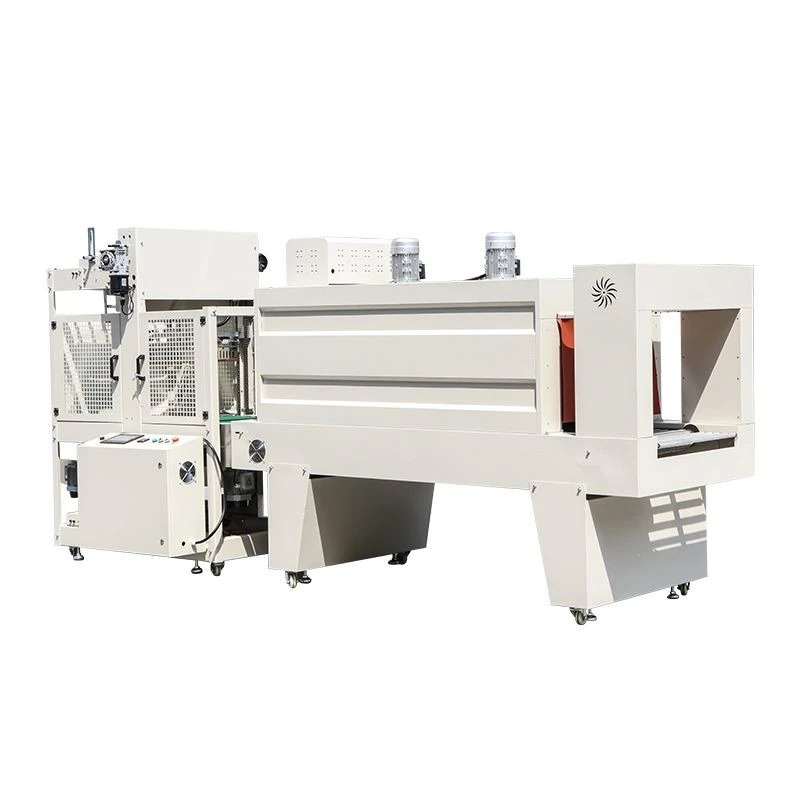
Make it a habit to clean the tunnel regularly, especially the heating elements and the conveyor system. Use a soft brush or a vacuum cleaner to remove the dust and debris. You can also use a mild cleaner to wipe down the surfaces.
In addition to cleaning, it's also important to perform regular maintenance checks on the tunnel. Check the heating elements for any signs of damage or wear, and replace them if necessary. Inspect the conveyor belts for any loose or worn parts, and tighten or replace them as needed.
Accessory Integration
Another way to optimize the performance of your Compact Heat Shrink Tunnel is to integrate it with the right accessories. For example, an Automatic Infeed Turntable can help you load the products into the tunnel more efficiently, saving you time and effort. A Stainless Steel Packaging Conveyor can provide a smooth and stable surface for transporting the products through the tunnel, improving the overall packaging quality.
If you have a high-volume production, you may also consider using a Dual Chamber Shrink Tunnel. This type of tunnel allows you to process two batches of products simultaneously, increasing your productivity. And if you're looking for a complete packaging solution, a Fully Enclosed Shrink Packaging Line can provide a seamless and efficient packaging process from start to finish.
Training and Operator Knowledge
Finally, don't underestimate the importance of training your operators. A well-trained operator can make a big difference in the performance of your heat shrink tunnel. Make sure your operators understand how the tunnel works, how to adjust the temperature, conveyor speed, and airflow, and how to perform basic maintenance and cleaning tasks.
Provide your operators with hands-on training and regular refresher courses to keep their skills up to date. Encourage them to ask questions and share their experiences, as they may have valuable insights that can help you optimize the performance of the tunnel.
Conclusion
Optimizing the performance of a Compact Heat Shrink Tunnel is a combination of understanding the basics, making the right adjustments, and performing regular maintenance. By following the tips and techniques outlined in this blog post, you can ensure that your heat shrink tunnel is operating at its best, giving you high-quality, professional-looking packaging every time.
If you're interested in learning more about our Compact Heat Shrink Tunnels or any of our other packaging solutions, don't hesitate to get in touch. We're here to help you find the best products and services for your specific needs. Let's start a conversation about how we can take your packaging process to the next level!
References
- Packaging Machinery Manufacturers Institute. (2020). Heat Shrink Packaging Handbook.
- Smith, J. (2019). Optimizing Heat Shrink Tunnel Performance. Packaging World Magazine.