

In the ever - evolving landscape of packaging technology, the box shrink wrapping machine stands out as a crucial asset for many industries. As a leading supplier of box shrink wrapping machines, we understand the significance of its electrical control system. This blog aims to delve deep into what the electrical control system of a box shrink wrapping machine is like and how it contributes to the overall performance of the machine.
The Basics of an Electrical Control System in a Box Shrink Wrapping Machine
The electrical control system of a box shrink wrapping machine serves as the brain of the entire operation. It is responsible for coordinating all the mechanical components, ensuring that the machine functions smoothly and efficiently. At its core, this system consists of several key components, including a programmable logic controller (PLC), sensors, relays, and human - machine interfaces (HMIs).
The PLC is the heart of the electrical control system. It is a digital computer that has been specifically designed for industrial automation. The PLC processes input signals from various sensors, then executes a pre - programmed set of instructions to control the output devices. These output devices can range from motors that drive the conveyor belts to heaters that shrink the plastic film around the boxes.
Sensors play a vital role in the electrical control system. They are used to detect the presence, position, and movement of the boxes on the conveyor belt. For example, photoelectric sensors can be used to detect when a box has reached a certain position on the conveyor. Once the sensor detects the box, it sends a signal to the PLC. Based on this signal, the PLC can then activate the appropriate output devices, such as a film dispenser to wrap the box with shrink film.
Relays act as switches in the electrical control system. They are used to control high - power electrical circuits using low - power signals from the PLC. Relays can turn on or off motors, heaters, and other high - power components as required by the machine's operation.
The human - machine interface (HMI) provides a means for operators to interact with the machine. It typically consists of a touchscreen where operators can input commands, set parameters, and monitor the status of the machine. For example, operators can use the HMI to set the temperature of the shrink tunnel, adjust the speed of the conveyor belt, or view error messages in case of a malfunction.
Programming and Configuration of the Electrical Control System
Programming the PLC is a critical step in setting up the electrical control system of a box shrink wrapping machine. Skilled programmers use specialized software to write the instructions that will govern the machine's operation. These instructions are based on the specific requirements of the packaging process, such as the size of the boxes, the type of shrink film being used, and the desired wrapping speed.
During the programming process, the programmer defines the logic for the machine's operation. This includes determining when the conveyor belt should start and stop, when to dispense the shrink film, and how long the boxes should remain in the shrink tunnel. The programmer also incorporates safety features into the program. For example, if a sensor detects an obstruction on the conveyor belt, the PLC can be programmed to immediately stop the machine to prevent damage or injury.
Configuration of the sensors and other components is also an important part of setting up the electrical control system. The sensitivity of the sensors must be adjusted properly to ensure accurate detection of the boxes. The relays must be configured to handle the appropriate electrical loads and to operate in synchronization with the PLC's commands.
Advanced Features of Modern Electrical Control Systems
Modern box shrink wrapping machines are equipped with advanced electrical control systems that offer a range of features to enhance performance and efficiency. One such feature is adjustable speed control. The electrical control system allows operators to adjust the speed of the conveyor belt and other moving components according to the specific requirements of the packaging process. This flexibility is particularly useful when packaging different sizes or types of boxes.
Another advanced feature is automatic product detection and adjustment. Using advanced sensors and algorithms, the electrical control system can detect the size and shape of the boxes automatically. Based on this information, it can adjust the film dispensing and shrinkage settings to ensure a perfect wrap every time.
Energy - saving features are also becoming increasingly common in modern electrical control systems. These features can include automatic shutdown of the heaters when the machine is not in use, or the ability to adjust the power consumption of the motors based on the load. This not only reduces operating costs but also makes the machine more environmentally friendly.
Integration with Other Systems
In today's industrial environment, it is often necessary to integrate box shrink wrapping machines with other packaging and production systems. The electrical control system plays a crucial role in this integration. It can be programmed to communicate with other machines, such as filling machines or labeling machines, using industrial communication protocols like Modbus or Profibus.
This integration allows for seamless operation of the entire production line. For example, when a box is filled by a filling machine, the electrical control system of the shrink wrapping machine can receive a signal indicating that the box is ready for wrapping. It can then start the conveyor belt and initiate the wrapping process without any manual intervention.
Maintenance and Troubleshooting of the Electrical Control System
Proper maintenance of the electrical control system is essential to ensure the long - term reliability and performance of the box shrink wrapping machine. Regular inspections should be carried out to check for loose connections, damaged wires, and worn - out components. The sensors should be cleaned regularly to ensure accurate detection, and the PLC should be backed up to prevent data loss.
In case of a malfunction, troubleshooting the electrical control system requires a combination of technical knowledge and experience. The HMI can provide valuable information about the status of the machine and any error messages. By analyzing these messages, technicians can identify the root cause of the problem and take appropriate corrective actions.
Our Product Range
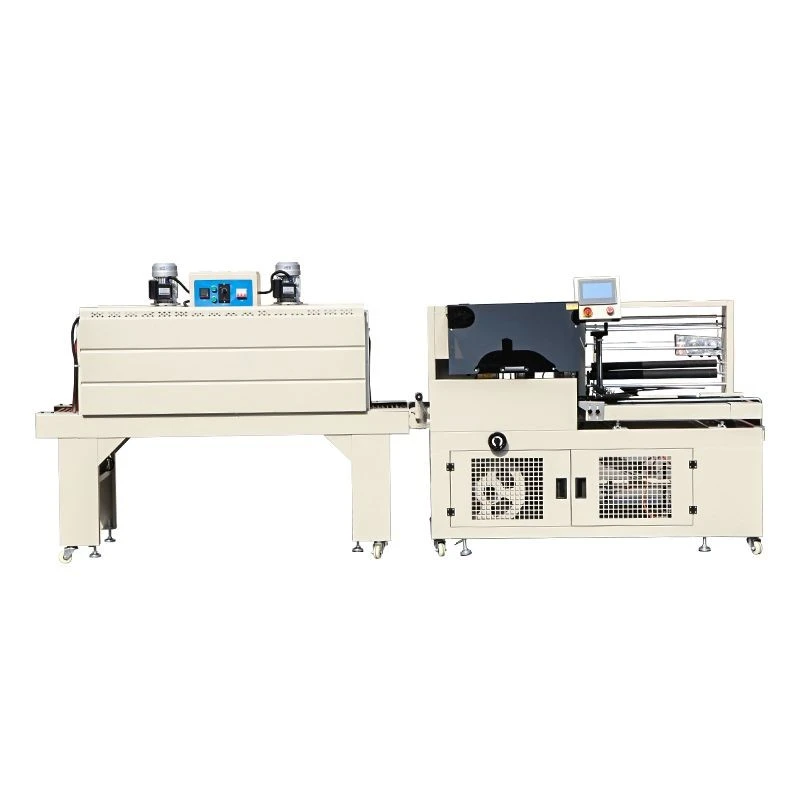
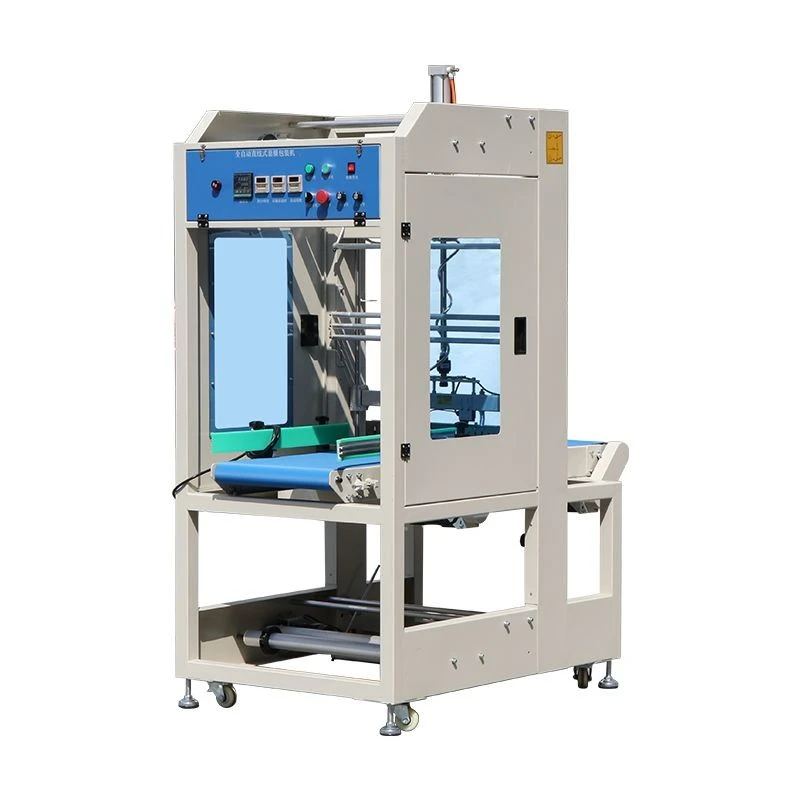
As a supplier of box shrink wrapping machines, we offer a wide range of products to meet the diverse needs of our customers. Our High Speed Shrink Wrap Machine is designed for high - volume production environments, offering fast and efficient packaging solutions. The Hardware Shrink Wrapping Machine is specifically tailored for the hardware industry, providing reliable and durable packaging for hardware products.
Our Servo Shrink Packaging Machine uses advanced servo technology to ensure precise control of the packaging process. The POF Film Heat Shrink Packer is ideal for using POF film, offering excellent shrinkage results. And the Automatic PE Film Sleeve Bundler is perfect for bundling multiple products together using PE film.
Contact Us for Procurement
If you are in the market for a box shrink wrapping machine or have any questions about our products and their electrical control systems, we encourage you to contact us for procurement discussions. Our team of experts is ready to assist you in finding the right solution for your specific needs.
References
- "Industrial Automation: Programmable Logic Controllers" by David A. Bell
- "Sensors and Transducers Handbook" by John G. Webster
- "Electrical Control Systems for Industrial Machines" by various authors