

Can automatic labeling machines work with other labeling technologies?
In the dynamic landscape of the manufacturing and packaging industries, labeling plays a pivotal role in product identification, branding, and compliance. As an established supplier of automatic labeling machines, we often encounter inquiries regarding the compatibility of our machines with other labeling technologies. In this blog post, we'll delve into this subject, exploring the possibilities and advantages of integrating automatic labeling machines with various labeling methods.
Understanding Automatic Labeling Machines
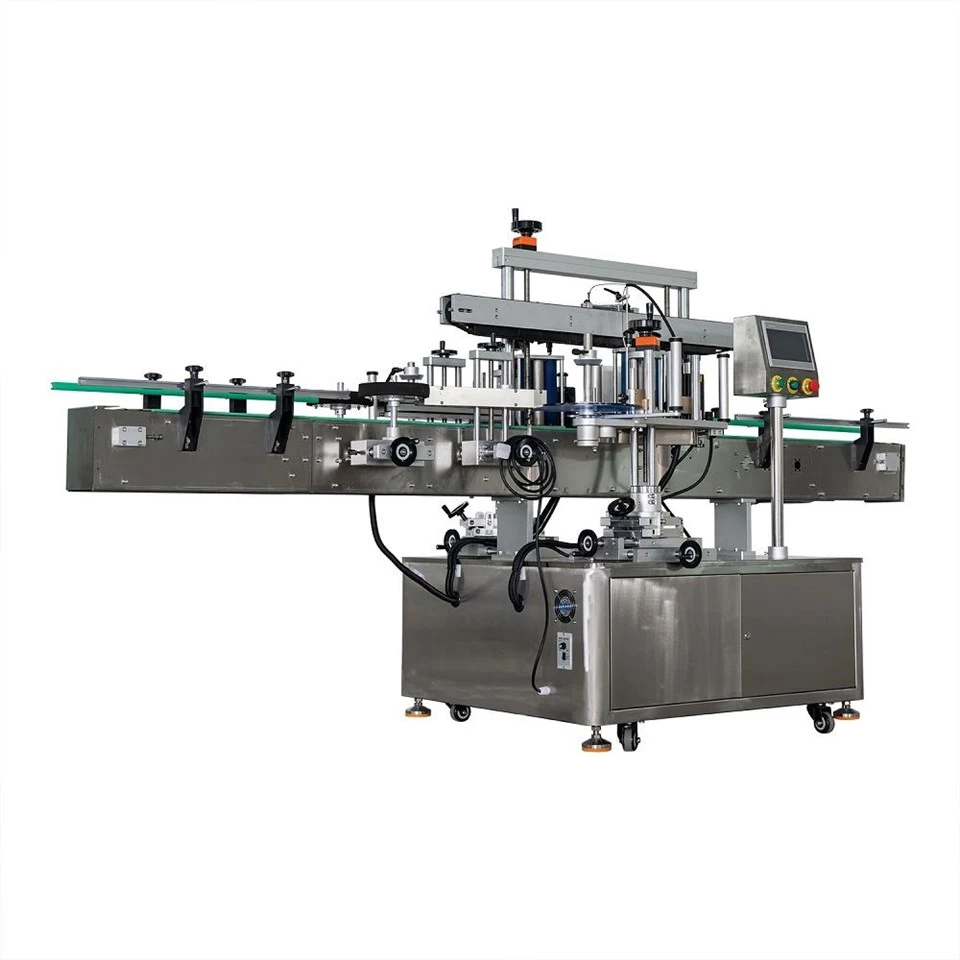
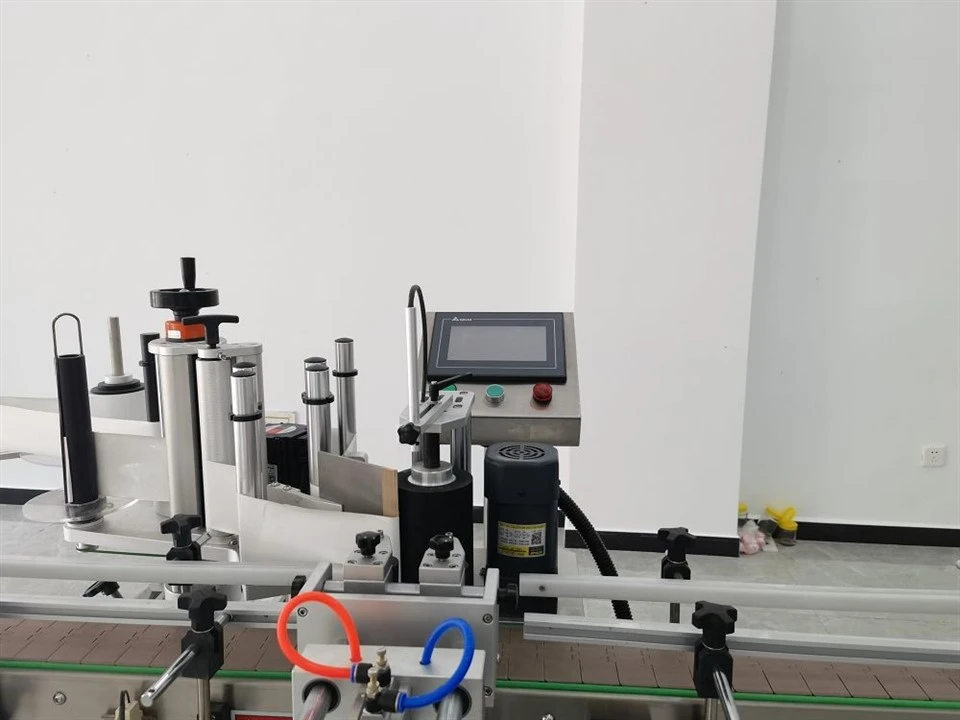
Before we discuss compatibility, it's essential to understand what automatic labeling machines are. These machines are designed to apply labels to products quickly and accurately. They use advanced sensors, motors, and controllers to ensure precision and consistency in labeling. Our range of automatic labeling machines includes Wrap Around Labeling Machine, which can wrap labels around cylindrical or oval-shaped products such as bottles, cans, or tubes. This type of machine is highly efficient and can handle a wide range of label materials and sizes.
Another popular model in our portfolio is the Box Labeling Machine. It is specifically engineered to label boxes of different shapes and sizes. Whether it's a small retail box or a large shipping container, our box labeling machines can deliver high-quality labeling results.
The High Precision Label Applicator is another remarkable addition to our lineup. It is capable of applying labels with extreme accuracy, making it ideal for products that require precise label placement, such as electronic components or medical devices.
The Flat Surface Labeling Machine is designed for products with flat surfaces, like cartons, cards, or panels. It can evenly apply labels on these surfaces, enhancing the overall appearance of the product.
And our Self Adhesive Labeling Machine is a versatile solution that can handle self - adhesive labels, which are widely used in various industries due to their ease of application and durability.
Compatibility with Manual Labeling
Manual labeling involves human operators applying labels to products by hand. While it may seem that automatic labeling machines and manual labeling are two distinct processes, there are scenarios where they can work together.
In some cases, products may have unique or irregular shapes that are difficult for automatic machines to handle. In such situations, manual labeling can be used for these special products, while the automatic labeling machines handle the bulk of the regular - shaped items. This combination allows companies to achieve a balance between efficiency and flexibility. For example, a company producing a limited edition of artistically shaped perfume bottles might use manual labeling for these unique bottles, while relying on our automatic Wrap Around Labeling Machine for the standard - shaped bottles in their regular production line.
Compatibility with Semi - Automatic Labeling
Semi - automatic labeling machines require some level of human intervention, such as placing the product in the correct position or starting the labeling process. These machines can be integrated with our automatic labeling systems to create a hybrid labeling process.
For instance, a semi - automatic machine can be used for pre - labeling or applying a single label on a product, and then our automatic High Precision Label Applicator can be used to apply additional labels with high precision. This setup can increase the overall labeling speed and quality, especially when dealing with products that require multiple labels.
Compatibility with Printing and Labeling Technologies
Many modern labeling processes involve printing variable information on labels, such as barcodes, serial numbers, or expiration dates. Automatic labeling machines can be easily integrated with printing technologies.
For example, thermal transfer printers can print high - quality images and text on labels, and then our automatic labeling machines can apply these printed labels to products. This combination is particularly useful in the food and beverage industry, where accurate product information and traceability are crucial. Our Box Labeling Machine can be paired with a thermal transfer printer to label boxes with variable information related to the product inside, such as lot number and production date.
In addition, inkjet printing technology can also be combined with our labeling machines. Inkjet printers can print directly on labels or products, and then the automatic labeling machine can ensure the correct placement of the pre - printed or newly printed labels. This integrated approach provides a cost - effective way to achieve high - quality labeling with variable data.
Compatibility with RFID Labeling
Radio - Frequency Identification (RFID) technology is becoming increasingly popular in the supply chain and inventory management. RFID labels can store and transmit data wirelessly, making it easier to track products throughout the entire distribution process.
Our automatic labeling machines can be configured to handle RFID labels. The machines can read and write data to the RFID tags during the labeling process, ensuring that the products are properly identified and tracked. For example, our Self Adhesive Labeling Machine can apply RFID - enabled self - adhesive labels to products, which can then be scanned at various points in the supply chain for real - time inventory management.
Advantages of Integrating Different Labeling Technologies
Integrating automatic labeling machines with other labeling technologies offers several advantages. Firstly, it enhances flexibility. Companies can adapt their labeling processes to different product requirements, whether it's a unique product shape or variable data printing.
Secondly, it improves efficiency. By combining the speed and accuracy of automatic labeling machines with the specific capabilities of other technologies, companies can increase their overall production throughput. For example, using a semi - automatic machine for pre - processing and an automatic machine for the final labeling can significantly reduce the labeling time.
Thirdly, it enhances product quality. The precise label placement provided by our automatic labeling machines, combined with the high - quality printing from other technologies, results in more professional - looking products. This can enhance brand image and customer confidence.
Finally, it provides cost - savings. Instead of investing in separate labeling systems for different tasks, companies can integrate existing technologies with our automatic labeling machines, reducing the overall equipment cost and maintenance requirements.
Contact Us for Your Labeling Needs
If you're interested in exploring the compatibility of our automatic labeling machines with other labeling technologies or have specific labeling requirements for your products, we're here to help. Our team of experts can provide you with detailed information, customized solutions, and technical support to ensure that you get the most out of your labeling process.
References
- Packaging Machinery Manufacturers Institute (PMMI). "Labeling Technology Trends and Insights."
- Smith, J. "Advances in Labeling and Identification Technologies." Journal of Packaging Science, 20XX.