

How to maintain the mechanical parts of a round bottle labeling machine?
As a seasoned provider of Round Bottle Labeling Machines, I've witnessed firsthand how the efficiency and longevity of these devices hinge significantly on meticulous mechanical maintenance. These machines are the backbone of numerous industries, from food and beverage to pharmaceuticals, where precision labeling is not just a requirement but a necessity. Neglecting the upkeep of mechanical parts can lead to decreased productivity, increased downtime, and ultimately, a negative impact on your bottom line. In this blog, I'll share some essential tips and insights on how to keep your round bottle labeling machine in top - notch condition.
Understanding the Key Mechanical Components
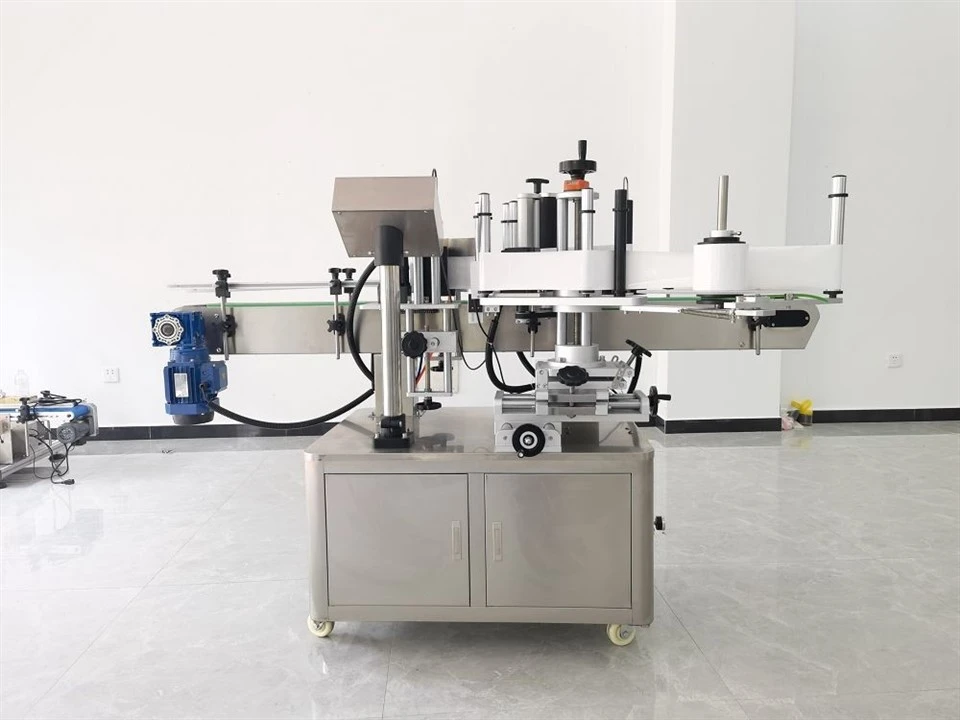
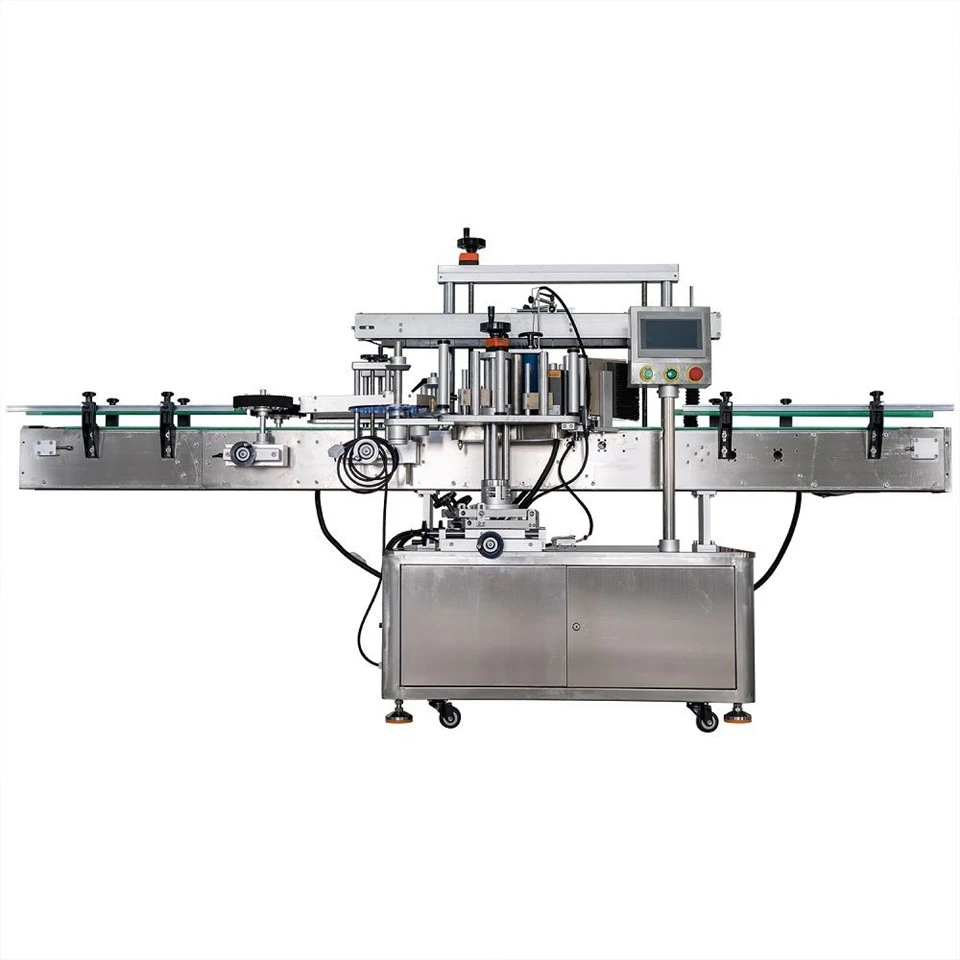
Before delving into maintenance procedures, it's crucial to understand the main mechanical parts of a round bottle labeling machine. These typically include the conveyor system, labeling head, cutter mechanism, and the bottle holding and rotating components.
The conveyor system is responsible for transporting the bottles through the labeling process. It consists of a belt or chain mechanism that needs to be kept clean and free from debris. Any foreign particles can interfere with the smooth movement of the bottles and lead to inaccurate labeling.
The labeling head is where the magic happens. It dispenses and applies the labels onto the bottles. This component contains various rollers, motors, and sensors that work in harmony to ensure accurate label placement.
The cutter mechanism cuts the labels from the label roll at the appropriate length. A sharp and well - maintained cutter is essential to prevent jagged edges on the labels, which can affect the aesthetic appeal of the final product.
The bottle holding and rotating components secure the bottles in place during labeling and rotate them to ensure full - circumference labeling if necessary. These parts need to have proper alignment and smooth rotation for accurate results.
Regular Cleaning and Lubrication
One of the most basic yet critical maintenance practices is regular cleaning. After each production run, make sure to remove any dust, adhesive residue, or label scraps from the machine. Use a soft, dry cloth to wipe down the conveyor belts, labeling heads, and cutters. For stubborn residue, a mild cleaning solution can be used, but always make sure to dry the parts thoroughly afterward to prevent corrosion.
Lubrication is equally important. Moving parts such as bearings, gears, and shafts require regular lubrication to reduce friction and wear. Refer to the machine's manual for the recommended lubricant type and frequency of application. Over - lubrication can attract dust and debris, so it's important to apply the right amount.
Inspection and Alignment
Frequent inspection of the mechanical parts is essential to catch any potential issues early. Check the belts and chains for signs of wear, such as fraying or stretching. Replace them immediately if any damage is detected, as a broken belt or chain can cause significant downtime.
Alignment is also a crucial factor. Misaligned parts can lead to inaccurate labeling, uneven label placement, and increased stress on the machine. Regularly check the alignment of the conveyor, labeling head, and bottle - holding components. Use precision tools to ensure that everything is in the correct position. If you notice any misalignment, make the necessary adjustments according to the machine's manual.
Cutter Maintenance
The cutter is a vital part of the labeling process, and proper maintenance of it can significantly improve the quality of the labels. Check the cutter blade regularly for sharpness. A dull blade will require more force to cut the labels, which can lead to uneven cuts and a shorter lifespan for the blade itself.
To sharpen the blade, follow the manufacturer's instructions carefully. In some cases, it may be necessary to replace the blade entirely. When installing a new blade, make sure it is properly aligned and secured to prevent any accidents during operation.
Preventive Maintenance Schedules
Establishing a preventive maintenance schedule is key to ensuring the long - term performance of your round bottle labeling machine. Create a detailed checklist that includes all the maintenance tasks, such as cleaning, lubrication, inspection, and replacement of worn parts. Set specific intervals for each task based on the machine's usage and the manufacturer's recommendations.
For example, a light - usage machine may only need a thorough inspection and alignment once a month, while a high - volume production machine may require daily cleaning and weekly inspections. By adhering to a regular maintenance schedule, you can minimize the risk of unexpected breakdowns and extend the lifespan of your machine.
Training and Operator Awareness
The operators of the round bottle labeling machine play a crucial role in its maintenance. Provide comprehensive training to your operators on the proper use and maintenance of the machine. They should be aware of the importance of regular cleaning, lubrication, and inspection.
Encourage operators to report any unusual noises, vibrations, or performance issues immediately. Early detection of problems can prevent them from escalating into more significant and costly repairs. Also, make sure that operators are familiar with the emergency stop procedures in case of any malfunction.
Upgrading and Modernizing
As technology advances, consider upgrading your round bottle labeling machine to improve its performance and efficiency. Newer models may have features that can enhance label accuracy, reduce downtime, and improve overall productivity. For example, some modern labeling machines are equipped with advanced sensors that can detect and correct any labeling errors in real - time.
If upgrading the entire machine is not feasible, you can still consider upgrading individual components. For instance, replacing an old and inefficient motor with a newer, more energy - efficient one can save on energy costs and improve the machine's performance.
Summary
Maintaining the mechanical parts of a round bottle labeling machine is a comprehensive process that requires attention to detail, regular inspections, and proper operator training. By following these guidelines, you can ensure that your machine operates smoothly and efficiently, producing high - quality labeled products.
If you're in the market for a new round bottle labeling machine or need further advice on maintenance, we invite you to explore our range of Wrap Around Labeling Machine, Self Adhesive Labeling Machine, Surface Label Applicator, High Precision Label Applicator, and Box Labeling Machine. Feel free to reach out to us for more information and to discuss your specific labeling needs. We're here to help you find the perfect solution for your business.
References
- Manufacturer's manuals for round bottle labeling machines
- Industry best practices for labeling machine maintenance
- Technical articles on mechanical maintenance in packaging industries